
Hospital to Home Care
Understanding the Transition from Hospital to Home
At Aiding With Care, we understand that returning home after a surgery, hospitalization, or medical procedure can feel overwhelming. The transition period is one of the most important stages of recovery, and having the right support can make a significant difference in safety, comfort, and long-term health outcomes. Our hospital to home care services are designed to ensure that individuals receive consistent, reliable assistance as they move from a structured medical environment back into daily life at home. This transition is delicate. Routines must be adjusted, mobility may be limited, medications often change, and the risk of complications can be higher during the first few days or weeks. Our role is to bridge the gap between hospital discharge and full recovery at home. Through personalized planning, attentive care, and ongoing support, we create a safer and smoother transition for each client we serve.

Supporting Hospital Discharge Care
Hospital discharge care begins before an individual even leaves the medical facility. Our caregivers can coordinate with families to understand discharge instructions, follow-up appointments, medication changes, and recommended activity levels. Having a clear plan in place ensures that clients return home with confidence and receive continuity of care from day one. The discharge process often includes detailed instructions that can feel confusing or easy to overlook. Our team reviews these guidelines carefully and helps implement them safely at home. By providing direct support immediately after discharge, we reduce the risk of complications and help clients avoid feeling overwhelmed by new or unfamiliar routines.

Preventing Readmissions Through Consistent Support
One of the main goals of our hospital to home care services is to help prevent hospital readmissions. Many readmissions occur because individuals return home without adequate support, miss medication doses, experience falls, or fail to follow post-hospital guidelines. Our caregivers provide consistent oversight that helps reduce these risks. We offer assistance with daily routines, monitor changes in physical condition, and encourage safe habits that align with the recovery plan prescribed by healthcare professionals. Our presence allows us to identify concerns early and relay them to families so issues can be addressed before they escalate. Whether clients need help adhering to mobility restrictions, managing fatigue, or organizing new medications, we ensure that recovery remains on track.
Medication Reminders and Adherence
After hospitalization, medication plans are often adjusted to support healing or manage pain. Missing doses or taking medications incorrectly can lead to serious complications. As part of our hospital discharge care, we provide medication reminders that help clients stay compliant with their prescribed schedule. While we do not administer medications, we assist by organizing reminders, helping clients follow the correct timing, and ensuring they understand which medications must be taken with food, water, or at specific intervals. This daily support reduces confusion and helps prevent common medication-related errors that could slow recovery or prompt a return to the hospital.


Mobility Assistance and Fall Prevention
Mobility challenges are common after surgery or hospitalization, especially when individuals are weak, unsteady, or recovering from procedures that affect movement. Our caregivers offer hands-on mobility assistance to help clients move safely around their homes. This support includes helping clients get in and out of bed, transferring to chairs, using walkers or canes correctly, and walking short distances to regain strength. Fall prevention is a top priority during the recovery period. We help clear pathways, ensure proper lighting, assist with bathroom trips, and provide steady guidance to reduce the likelihood of slips or accidents. With hospital to home care, clients receive the support needed to rebuild confidence while avoiding the risks associated with moving independently too soon.
Safe Supervision of Wound Care
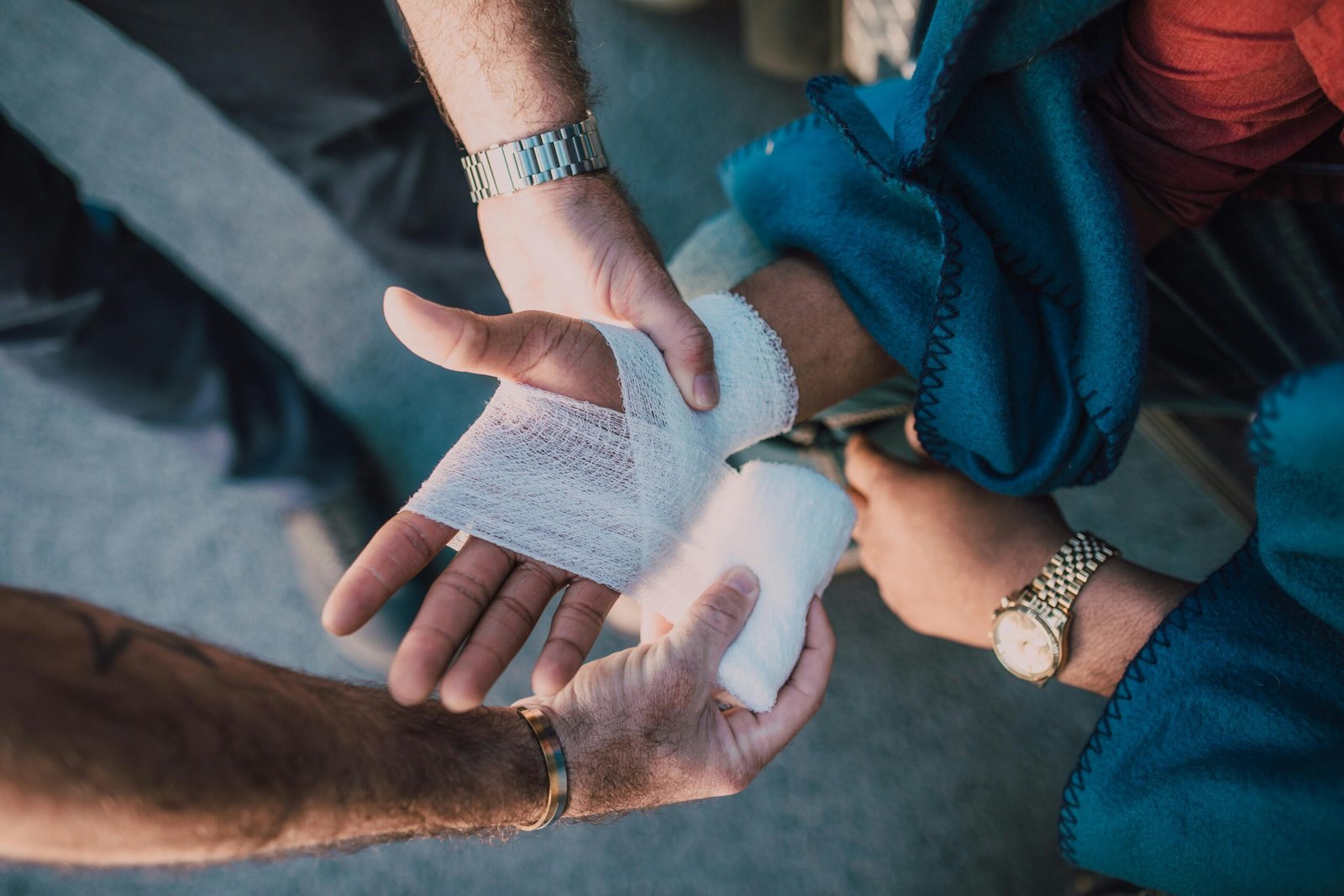
Wound care is often necessary after surgery, but it must be monitored carefully to ensure proper healing. Although our caregivers cannot perform medical wound care, change dressings, or treat surgical sites, we do provide non-medical supervision that helps identify concerns early. This may include observing for signs of infection such as redness, swelling, drainage, or increased discomfort. We remind clients to follow their wound care instructions, attend follow-up appointments, and avoid activities that could disrupt healing. By providing attentive oversight, we help clients remain compliant with their medical team’s recommendations while promoting a safer and more comfortable healing environment.

Assistance with Activities of Daily Living
Recovery at home often requires help with basic personal tasks, especially in the early stages. Our hospital to home care services include assistance with bathing, grooming, dressing, toileting, and other daily activities that may be difficult due to pain, fatigue, or limited mobility. Providing this support allows individuals to maintain dignity, stay clean and comfortable, and avoid unnecessary strain on healing areas. We also help with instrumental activities of daily living such as preparing meals, light housekeeping, laundry, and organizing the home to make it recovery-friendly. These supportive tasks create a more manageable environment and help clients conserve their energy for healing.
Ensuring a Safe and Recovery-Driven Environment
Returning home after a hospital stay means adjusting the living space to support recovery. Our caregivers assist by identifying safety concerns, rearranging commonly used items to be more accessible, and helping ensure that the home is easy to navigate with limited mobility. This may involve adjusting furniture placement, keeping pathways clear, ensuring assistive devices are within reach, or removing tripping hazards. Through hospital discharge care, we support a setup that promotes safety, comfort, and independence. A well-prepared environment helps prevent falls, reduces frustration, and allows clients to focus fully on healing.


Emotional Support During Recovery
Recovery is not only a physical journey but also an emotional one. Many individuals feel anxious or uncertain after leaving the structured environment of the hospital. Our caregivers provide companionship and reassurance that helps ease these feelings. By offering conversation, encouragement, and a consistent presence, we help clients feel more secure and less isolated. Emotional well-being is closely tied to physical healing, and daily support can significantly improve confidence and morale. Families also feel more at ease knowing their loved one is not facing recovery alone.
Continuity of Care and Collaboration
Continuity of care is essential for a smooth recovery. Our team maintains open communication with families and helps coordinate follow-up appointments, transportation, and reminders to attend medical visits. Consistency ensures that clients do not miss important checkups or overlook changes in their recovery plan. We also collaborate with physical therapists, home health nurses, or other healthcare professionals involved in the recovery process. By supporting their recommendations at home, we help create a unified approach to healing. This collaboration strengthens outcomes and provides a seamless experience for clients.


Speed and Safety in the Recovery Process
Speed and safety are two critical components of our hospital to home care approach. Recovering quickly does not mean rushing. Instead, it means supporting the right pace of healing while minimizing preventable setbacks. By providing daily assistance, monitoring progress, and encouraging healthy habits, we help clients move forward steadily and safely. Our goal is to support healing that is efficient and protected, allowing individuals to regain their independence without compromising their well-being.
Our Commitment to a Successful Transition
At Aiding With Care, we are committed to making the transition from hospital to home as smooth and stress-free as possible. Through our hospital discharge care services, we provide physical support, emotional encouragement, safety oversight, and reliable daily assistance tailored to each client’s condition and needs. We understand how important it is to have dependable care during this vulnerable time. With our help, clients experience continuity, comfort, and confidence as they recover at home. Our mission is simple. We support every step of the journey from hospital to home with compassion, professionalism, and dedication to long-lasting health and stability.